
Category Archives: Dental Services

Dental Filling in Punjabi Bagh

Dental Filling

Dental Filling in Punjabi Bagh – Kukreja Dental & Implant Centre

Have you ever felt a sharp twinge while sipping something cold or biting into something sweet? That sudden discomfort is often your tooth’s way of asking for help. Cavities and minor tooth damage are extremely common, yet many people delay treatment out of fear or confusion. The truth is, timely Dental Filling in Punjabi Bagh can save your tooth, relieve pain, and prevent bigger dental problems later.

At Kukreja Dental & Implant Centre, dental fillings are approached with care, precision, and comfort in mind. There is no rush, no unnecessary discomfort—just clear explanations and gentle treatment. Think of a dental filling like repairing a small crack in a wall. Fix it early, and the structure stays strong. Ignore it, and the damage spreads.

In this detailed guide, we will explain dental fillings in simple language—what they are, when you need them, types of fillings, the procedure, aftercare, and why so many patients trust Dental Filling in Punjabi Bagh at Kukreja Dental & Implant Centre.

What Is a Dental Filling?

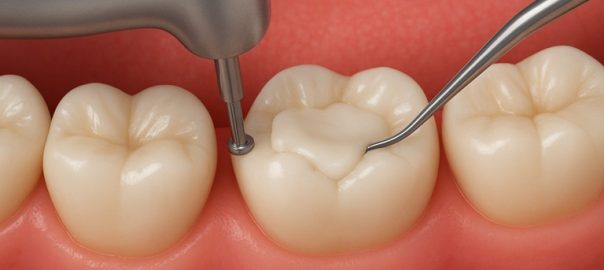
A dental filling is a treatment used to repair a tooth that has been damaged by decay or minor cracks. The dentist removes the damaged part and fills the space with a safe material to restore the tooth’s shape and function.

In simple terms:
A dental filling patches up a damaged tooth so it can work normally again.

This makes Dental Filling in Punjabi Bagh one of the most common and effective dental treatments.


Why Do Teeth Need Fillings?

Teeth face a lot every day—chewing, grinding, hot drinks, cold desserts, and sugary snacks. Over time, bacteria can create holes called cavities.

Teeth need fillings because:

  • Cavities weaken tooth structure

  • Bacteria continue to spread

  • Pain and sensitivity increase

A filling stops decay in its tracks and protects the tooth from further damage.


Common Signs You May Need a Filling

Cavities do not always hurt in the beginning, which is why many people miss them.

Watch out for these signs:

  • Tooth sensitivity to hot or cold

  • Pain while chewing

  • Visible dark spots or holes

  • Food getting stuck frequently

  • Bad taste in the mouth

If you notice any of these, seeking Dental Filling in Punjabi Bagh early can save time, money, and discomfort.


What Happens If a Cavity Is Left Untreated?

Ignoring a cavity is like ignoring a small leak in your roof. It only gets worse.

Without treatment, cavities can lead to:

  • Severe toothache

  • Infection

  • Need for root canal treatment

  • Tooth loss

A simple filling today can prevent major procedures tomorrow.


Types of Dental Fillings Available

Not all fillings are the same. The right type depends on the tooth’s location, size of the cavity, and personal preference.

Common types include:

  • Tooth-colored (composite) fillings

  • Silver (amalgam) fillings

  • Ceramic fillings

At Kukreja Dental & Implant Centre, patients are guided to choose the most suitable option.


Tooth-Colored Fillings Explained

Tooth-colored fillings are designed to blend seamlessly with natural teeth.

Why they are popular:

  • Natural appearance

  • Strong and durable

  • Suitable for front and back teeth

These fillings are often the preferred choice for patients seeking Dental Filling in Punjabi Bagh with aesthetic results.


The Dental Filling Procedure Step by Step

Many people feel anxious because they do not know what to expect. The process is actually straightforward.

A typical filling procedure includes:

  1. Examination and X-ray if needed

  2. Numbing the area for comfort

  3. Removing the decayed portion

  4. Cleaning the tooth

  5. Placing and shaping the filling

  6. Polishing for a smooth finish

Most fillings are completed in a single visit.


Is Dental Filling Painful?

This is one of the most common concerns. The honest answer? Not really.

With modern techniques:

  • The area is numbed

  • Pain is minimal or none

  • Mild sensitivity may occur temporarily

At Kukreja Dental & Implant Centre, patient comfort is always a priority.


How Long Does a Dental Filling Last?

The lifespan of a filling depends on the material used and oral habits.

On average:

  • Tooth-colored fillings last several years

  • Proper care extends their life

Regular check-ups help ensure fillings remain intact and effective.


Dental Filling for Children and Adults

Dental fillings are safe and effective for all age groups.

For children:

  • Prevents cavity progression

  • Protects developing teeth

For adults:

  • Restores function

  • Prevents further decay

This makes Dental Filling in Punjabi Bagh a family-friendly dental solution.


Eating and Care After a Dental Filling

After a filling, a little care goes a long way.

Helpful tips include:

  • Avoid hard foods for a few hours

  • Maintain regular brushing and flossing

  • Report prolonged sensitivity

Most patients resume normal eating the same day.


Common Myths About Dental Fillings

Let us clear some common misunderstandings.

  • Fillings weaken teeth – False

  • Fillings always hurt – False

  • White fillings are not strong – False

Dental fillings are designed to strengthen and protect teeth.


Benefits of Timely Dental Filling

Getting a filling early offers many advantages.

Key benefits include:

  • Pain relief

  • Tooth preservation

  • Prevention of infection

  • Cost-effective treatment

Timely Dental Filling in Punjabi Bagh keeps small problems from becoming big ones.


Why Choose Kukreja Dental & Implant Centre

Choosing the right clinic matters just as much as the treatment itself.

What makes Kukreja Dental & Implant Centre a trusted choice:

  • Gentle and patient-focused approach

  • Modern equipment

  • Clear communication

  • Emphasis on long-term oral health

Every filling is done with care, not haste.


Cost and Value of Dental Filling in Punjabi Bagh

The cost of dental filling depends on:

  • Type of filling material

  • Size of the cavity

  • Tooth location

Dental fillings are among the most affordable dental treatments and offer excellent value by preventing more expensive procedures later.


Conclusion

A cavity does not have to turn into a serious dental issue. With timely Dental Filling in Punjabi Bagh at Kukreja Dental & Implant Centre, you can protect your teeth, relieve discomfort, and maintain a healthy smile. Dental fillings may seem small, but their impact on long-term oral health is significant. Sometimes, a simple repair is all it takes to keep your smile strong.


Frequently Asked Questions (FAQs)

1. How long does a dental filling procedure take?

Most dental fillings are completed within 30 to 60 minutes.

2. Can I eat immediately after a dental filling?

You can usually eat once the numbness wears off, unless advised otherwise.

3. Are tooth-colored fillings strong enough?

Yes, modern tooth-colored fillings are durable and suitable for most teeth.

4. Will my filled tooth feel different?

It may feel slightly different initially, but this usually settles quickly.

5. How do I know if my filling needs replacement?

Sensitivity, pain, or visible damage may indicate the need for evaluation.


If you are experiencing tooth discomfort or suspect a cavity, professional Dental Filling in Punjabi Bagh can restore comfort and protect your smile with ease.
Dental Cleaning in Punjabi Bagh

Dental Cleaning

Dental Cleaning in Punjabi Bagh – Kukreja Dental & Implant Centre

When was the last time you truly felt your teeth were clean? Not just brushed-clean, but that smooth, fresh feeling that lasts for days. If you are like most people, brushing twice a day feels enough—until bleeding gums, bad breath, or yellow buildup quietly show up. That is where Dental Cleaning in Punjabi Bagh becomes more than just a routine visit; it becomes a reset button for your oral health.

At Kukreja Dental & Implant Centre, dental cleaning is not treated as a rushed procedure. It is a preventive step that protects your teeth, gums, and confidence. Think of dental cleaning like servicing your car. You may drive daily without issues, but regular servicing prevents breakdowns. Your teeth deserve the same care.

In this comprehensive guide, we will explain dental cleaning in simple language—why it matters, how it works, what to expect, and why so many people trust Dental Cleaning in Punjabi Bagh at Kukreja Dental & Implant Centre.

What Is Dental Cleaning?

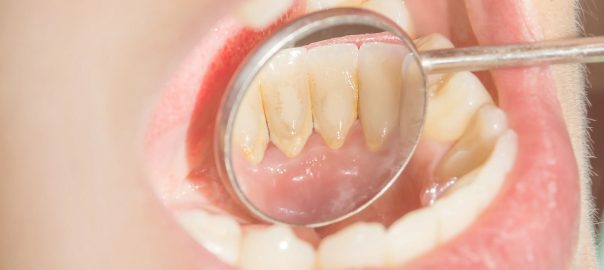
Dental cleaning is a professional procedure that removes plaque, tartar, and stains from your teeth. These are things your toothbrush simply cannot remove, no matter how well you brush.

In simple words:
Dental cleaning clears out the hidden dirt that builds up over time.

This process helps keep teeth strong, gums healthy, and breath fresh. That is why Dental Cleaning in Punjabi Bagh is considered the foundation of good oral care.


Why Daily Brushing Is Not Enough

Brushing and flossing are important, but they have limits. Plaque hardens into tartar within days, and once that happens, brushing cannot remove it.

Here is the reality:

  • Plaque hides under gums

  • Tartar sticks firmly to teeth

  • Bacteria continue to grow silently

Professional dental cleaning steps in where your toothbrush stops.


Signs You Need Dental Cleaning

Many people wait for pain, but dental cleaning is about prevention.

Common warning signs include:

  • Bleeding gums while brushing

  • Persistent bad breath

  • Yellow or brown buildup on teeth

  • Swollen or sensitive gums

  • Teeth that feel rough

If you notice any of these, it may be time to consider Dental Cleaning in Punjabi Bagh.


What Happens If You Skip Dental Cleaning

Skipping dental cleaning does not cause problems overnight—but slowly.

Over time, it can lead to:

  • Gum disease

  • Tooth decay

  • Loose teeth

  • Costly treatments later

It is like ignoring dust in your house. One day it becomes difficult to manage.


Types of Dental Cleaning

Dental cleaning is not the same for everyone.

Common types include:

  • Routine cleaning: For general maintenance

  • Deep cleaning: For gum disease

  • Targeted cleaning: For specific problem areas

Your dentist decides the right type based on your oral health.


Scaling and Polishing Explained

Scaling removes hard deposits from teeth and under the gums.
Polishing smoothens the teeth, making it harder for plaque to stick again.

Together, they:

  • Improve gum health

  • Reduce bad breath

  • Restore natural shine

This is the most common form of Dental Cleaning in Punjabi Bagh.


Is Dental Cleaning Painful?

This is one of the most common concerns. The honest answer? For most people, no.

You may feel:

  • Mild vibrations

  • Slight pressure

  • Temporary sensitivity

At Kukreja Dental & Implant Centre, comfort is prioritized, and gentle techniques are used to ensure a smooth experience.


Dental Cleaning for Gum Health

Healthy gums are the backbone of healthy teeth.

Dental cleaning helps by:

  • Removing bacteria under gums

  • Reducing inflammation

  • Preventing gum disease

Think of gums as soil and teeth as plants. Clean soil helps plants grow stronger.


How Often Should You Get Dental Cleaning?

Most people benefit from dental cleaning every six months.

However, you may need more frequent visits if:

  • You have gum disease

  • You smoke

  • You have diabetes

  • You are prone to plaque buildup

Your dentist will guide you based on your needs.


Dental Cleaning for Children and Adults

Dental cleaning is important at every age.

For children:

  • Prevents cavities

  • Builds healthy habits

For adults:

  • Protects gums

  • Maintains fresh breath

  • Prevents tooth loss

This makes Dental Cleaning in Punjabi Bagh a family-friendly preventive solution.


What to Expect During Dental Cleaning

The process is simple and usually quick.

A typical session includes:

  1. Oral examination

  2. Scaling to remove tartar

  3. Polishing for smoothness

  4. Rinse and final check

Most appointments take 30–45 minutes.


After-Care Tips Post Dental Cleaning

After cleaning, your teeth may feel extra smooth—and that is a good thing.

Helpful tips:

  • Avoid staining foods for a few hours

  • Maintain regular brushing

  • Floss daily

  • Drink plenty of water

These small steps help maintain results longer.


Common Myths About Dental Cleaning

Let us clear a few misconceptions.

  • Dental cleaning weakens teeth – False

  • It causes gaps – False

  • It damages enamel – Not when done professionally

Dental cleaning protects, not harms.


Why Choose Kukreja Dental & Implant Centre

When it comes to Dental Cleaning in Punjabi Bagh, experience and trust matter.

What sets the clinic apart:

  • Gentle and patient-focused care

  • Modern equipment

  • Clear communication

  • Emphasis on prevention

Every visit is designed to be comfortable and reassuring.


Cost and Value of Dental Cleaning in Punjabi Bagh

The cost of dental cleaning depends on:

  • Type of cleaning required

  • Oral health condition

  • Frequency of visits

Dental cleaning is one of the most affordable dental procedures and saves money by preventing future treatments.


Conclusion

Dental cleaning is not just about clean teeth—it is about protecting your smile for years to come. With regular Dental Cleaning in Punjabi Bagh at Kukreja Dental & Implant Centre, you can enjoy healthier gums, fresher breath, and peace of mind. Sometimes, the simplest habits create the biggest impact, and dental cleaning is one of them.


Frequently Asked Questions (FAQs)

1. Is dental cleaning necessary if I brush daily?

Yes, brushing cannot remove hardened tartar that professional cleaning can.

2. Does dental cleaning cause bleeding?

Mild bleeding may occur if gums are inflamed, but it improves with regular cleaning.

3. How long does dental cleaning take?

Most sessions last between 30 to 45 minutes.

4. Can dental cleaning whiten teeth?

Cleaning removes stains and makes teeth look brighter, but it is not the same as whitening.

5. Is dental cleaning safe for sensitive teeth?

Yes, dentists use gentle techniques for patients with sensitivity.


If you are looking to maintain a healthy, confident smile, professional Dental Cleaning in Punjabi Bagh is a simple yet powerful step forward.

Cosmetic Dentistry

Cosmetic Dentistry: Enhancing Smiles, Boosting Confidence

Cosmetic dentistry is a specialized branch of dentistry that focuses on improving the aesthetic appearance of a person’s smile. With advancements in dental technology and techniques, cosmetic dentistry offers a wide range of procedures to address various dental concerns and help individuals achieve their dream smile. From teeth whitening and veneers to orthodontics and dental implants, cosmetic dentistry plays a crucial role in enhancing smiles and boosting confidence.

Common Cosmetic Dentistry Procedures:

  1. Teeth Whitening: Teeth whitening is one of the most popular and straightforward cosmetic dental procedures. It involves the use of bleaching agents to lighten the color of stained or discolored teeth, resulting in a brighter and more vibrant smile.
  2. Dental Veneers: Dental veneers are thin, custom-made shells that are bonded to the front surface of teeth to improve their appearance. Veneers can correct various issues, including tooth discoloration, chips, cracks, and gaps, providing a natural-looking and uniform smile.
  3. Dental Bonding: Dental bonding is a procedure in which a tooth-colored resin material is applied to the teeth and then shaped and polished to enhance their appearance. Bonding is an effective solution for repairing chipped, cracked, or discolored teeth, as well as closing small gaps.
  4. Orthodontic Treatment: Orthodontic treatment, such as braces or clear aligners, is used to straighten misaligned or crooked teeth. By gradually moving the teeth into their proper positions, orthodontics not only improves the smile’s aesthetics but also enhances oral health and functionality.
  5. Dental Implants: Dental implants are a permanent solution for replacing missing teeth. They consist of artificial tooth roots that are surgically placed into the jawbone, providing a stable foundation for dental crowns or bridges. Dental implants not only restore the appearance of a complete smile but also improve chewing ability and prevent bone loss.
  6. Dental Crowns: Dental crowns, also known as caps, are custom-made restorations that cover the entire visible portion of a tooth. They are used to restore the shape, size, strength, and appearance of damaged or severely decayed teeth, improving both the function and aesthetics of the smile.
  7. Gum Contouring: Gum contouring, also called gum reshaping, is a procedure that corrects an uneven gum line or excessive gum tissue. It involves removing or reshaping the gum tissue to create a balanced and harmonious smile.

Benefits of Cosmetic Dentistry:

  1. Improved Self-Confidence: Cosmetic dentistry can significantly enhance a person’s self-confidence by providing them with a beautiful and radiant smile. Feeling confident about their teeth and overall appearance boosts self-esteem and positively impacts social interactions.
  2. Enhanced Oral Health: Many cosmetic dental procedures not only improve aesthetics but also contribute to better oral health. For example, straightening crooked teeth improves oral hygiene by making it easier to clean the teeth and gums effectively.
  3. Natural-Looking Results: With advancements in dental materials and techniques, cosmetic dentistry offers natural-looking results. Restorations like veneers and dental implants are designed to mimic the appearance and function of natural teeth, ensuring a seamless and aesthetically pleasing smile.
  4. Long-Lasting Effects: Cosmetic dental procedures are designed to be durable and long-lasting. With proper care and regular dental visits, the results of cosmetic dentistry can withstand the test of time, allowing individuals to enjoy their enhanced smiles for years to come.

Consultation with a Cosmetic Dentist:

If you are considering cosmetic dentistry to improve your smile, it is essential to schedule a consultation with a qualified and experienced cosmetic dentist. During the consultation, the dentist will assess your oral health, discuss your aesthetic goals, and recommend the most suitable treatment options tailored to your needs.

In conclusion, cosmetic dentistry offers a wide range of procedures to enhance smiles and boost confidence. From teeth whitening and veneers to dental implants and orthodontics, these procedures can transform the appearance of teeth and create a smile that is both beautiful and healthy. With the help of a skilled cosmetic dentist, you can achieve the smile you’ve always desired and enjoy the numerous benefits that come with it.

FAQs (Frequently Asked Questions)

  1. Is cosmetic dentistry only about improving aesthetics? While cosmetic dentistry primarily focuses on enhancing the appearance of teeth, many procedures also offer functional benefits. For example, orthodontic treatment not only straightens teeth but also improves bite alignment and jaw function.
  2. Are cosmetic dental procedures painful? Most cosmetic dental procedures are performed under local anesthesia to ensure patient comfort. However, some procedures may cause mild discomfort or sensitivity during or after the treatment. Your dentist will discuss pain management options and address any concerns you may have.
  3. How long does cosmetic dentistry treatment take? The duration of treatment varies depending on the specific procedure and individual needs. Some procedures, such as teeth whitening, can be completed in a single visit, while others, like orthodontic treatment, may take several months or more.
  4. Are cosmetic dental procedures permanent? The longevity of cosmetic dental results depends on various factors, including the type of procedure, oral hygiene practices, and lifestyle habits. With proper care and maintenance, cosmetic dental restorations can last for many years.
  5. 5. Can anyone undergo cosmetic dentistry? In general, most individuals with good oral health are suitable candidates for cosmetic dentistry. However, it is essential to consult with a cosmetic dentist to determine the best treatment options based on your specific dental needs and goals.
Dentures in Punjabi Bagh

Dentures

dentures in Punjabi Bagh

Dentures in Punjabi Bagh – Kukreja Dental & Implant Centre

Losing teeth can feel unsettling. You may hesitate to smile, avoid certain foods, or even feel older than you are. If that sounds familiar, take a deep breath—you are not alone. Millions of people face tooth loss at some point in life, and modern dentistry has made sure it does not have to define you. Dentures in Punjabi Bagh offer a simple, reliable, and affordable way to bring back your smile and confidence.

At Kukreja Dental & Implant Centre, dentures are not treated as “one-size-fits-all.” They are carefully designed to look natural, feel comfortable, and help you enjoy daily life again. Think of dentures like a well-tailored outfit. When they fit properly, you forget you are even wearing them. When they don’t, they can bother you all day. That is why choosing the right dental clinic matters.

In this detailed guide, we will walk you through everything you need to know about dentures—types, benefits, process, care, and why many families trust Dentures in Punjabi Bagh at Kukreja Dental & Implant Centre.

Understanding Dentures

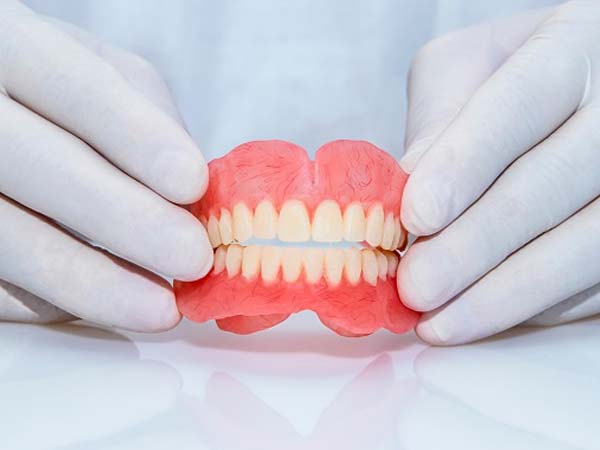
Dentures are removable artificial teeth designed to replace missing teeth and surrounding tissues. They help restore your smile, speech, and ability to chew properly. More importantly, they support facial muscles, preventing that “sunken” look that often comes with missing teeth.

You can think of dentures as a support system for your mouth—much like shoes support your feet. The right pair helps you walk confidently, while the wrong one can cause discomfort. That is why professional planning and customization are essential.


Why Dentures Are Still a Popular Choice

With dental implants and bridges available today, you might wonder—why do people still choose dentures? The answer is simple: they are practical, effective, and accessible.

Dentures are:

  • Affordable compared to many other options

  • Non-surgical in most cases

  • Quick to fabricate and fit

  • Easy to repair or adjust

For many patients looking for Dentures in Punjabi Bagh, dentures strike the right balance between comfort, appearance, and cost.


Common Reasons People Need Dentures

Tooth loss can happen for several reasons, and it is not always about age. Some common causes include:

  • Gum disease

  • Tooth decay

  • Accidents or trauma

  • Long-term neglect of oral health

  • Medical conditions affecting teeth

Whatever the reason, dentures offer a fresh start. They allow you to eat, speak, and smile without feeling self-conscious.


Types of Dentures Available

Dentures come in different forms, each designed for specific needs. At Kukreja Dental & Implant Centre, patients are guided carefully to choose what suits them best.

The main categories include:

  • Complete dentures

  • Partial dentures

  • Flexible dentures

  • Implant-supported dentures

Each type has its own benefits, and the choice depends on how many teeth are missing, bone health, and lifestyle.


Complete Dentures Explained

Complete dentures are used when all teeth in the upper or lower jaw are missing. They rest on the gums and are custom-made to match your facial structure.

Key benefits of complete dentures:

  • Restore full smile

  • Improve chewing ability

  • Support facial shape

  • Boost self-confidence

Modern complete dentures look far more natural than older versions. Many people are pleasantly surprised when friends cannot even tell they are wearing dentures.


Partial Dentures Explained

If you still have some healthy natural teeth, partial dentures may be the right solution. These dentures fill the gaps while using remaining teeth for support.

Advantages of partial dentures:

  • Prevent shifting of natural teeth

  • Improve bite balance

  • Cost-effective solution

  • Easy to remove and clean

Partial dentures are a popular option for patients seeking Dentures in Punjabi Bagh without removing healthy teeth.


Flexible and Modern Dentures

Flexible dentures are made from softer, lightweight materials. They adapt better to mouth movements and often feel more comfortable.

Why people like flexible dentures:

  • No visible metal clasps

  • More comfortable fit

  • Natural gum-colored base

  • Durable and lightweight

They are a great choice for people who want comfort with aesthetics.


The Denture Process at Kukreja Dental & Implant Centre

Getting dentures does not have to be complicated. At Kukreja Dental & Implant Centre, the process is smooth and patient-friendly.

Step-by-step process includes:

  1. Consultation and examination

  2. Impressions and measurements

  3. Trial fitting for comfort and appearance

  4. Final placement and adjustments

Throughout the journey, patients are encouraged to ask questions and share concerns. After all, these dentures are meant to be part of your daily life.


How Dentures Improve Daily Life

Dentures do more than replace missing teeth. They bring back everyday joys.

With well-fitted dentures, you can:

  • Enjoy your favorite foods

  • Speak clearly without hesitation

  • Smile freely in social situations

  • Feel more confident at work and home

It is like turning the volume back up on life after it has been turned down for too long.


Dentures vs Other Tooth Replacement Options

You may hear about implants or bridges and wonder how dentures compare.

Dentures stand out because they are:

  • Less invasive

  • Budget-friendly

  • Suitable for various age groups

  • Adaptable over time

For many people, especially seniors or those with medical limitations, dentures remain the most practical choice.


Adjusting to New Dentures

Let us be honest—new dentures take some getting used to. The first few days may feel strange. That is completely normal.

Helpful tips during adjustment:

  • Start with soft foods

  • Practice speaking aloud

  • Wear dentures as advised

  • Attend follow-up visits

Think of it like breaking in new shoes. With time and patience, comfort follows.


Caring for Your Dentures

Proper care ensures your dentures last longer and remain comfortable.

Daily denture care includes:

  • Cleaning after meals

  • Using denture-friendly products

  • Removing them at night

  • Regular dental check-ups

Good care not only protects your dentures but also keeps your gums healthy.


Who Is an Ideal Candidate for Dentures

Dentures are suitable for:

  • People with multiple missing teeth

  • Patients not eligible for implants

  • Those seeking a cost-effective solution

  • Seniors looking for functional smiles

A professional evaluation helps determine if dentures are right for you.


Why Choose Kukreja Dental & Implant Centre

When it comes to Dentures in Punjabi Bagh, experience and care make a difference.

What sets Kukreja Dental & Implant Centre apart:

  • Personalized treatment planning

  • Modern dental technology

  • Focus on comfort and aesthetics

  • Patient-centered approach

Here, dentures are crafted with attention, not rushed.


Cost and Value of Dentures in Punjabi Bagh

The cost of dentures depends on the type, materials used, and complexity. While prices vary, dentures remain one of the most value-driven dental treatments.

At Kukreja Dental & Implant Centre, patients receive transparent guidance, ensuring they understand both cost and long-term benefits.


Conclusion

Tooth loss does not have to hold you back. With well-designed dentures, life can feel normal again—sometimes even better than before. Whether you need complete, partial, or flexible options, Dentures in Punjabi Bagh at Kukreja Dental & Implant Centre offer a reliable path to restored smiles and renewed confidence. If you have been delaying treatment, now might be the perfect time to take that step forward.


Frequently Asked Questions (FAQs)

1. Are dentures uncomfortable to wear?

Initially, dentures may feel different, but with proper fitting and time, they become comfortable and easy to wear.

2. How long do dentures last?

With good care, dentures can last several years, though adjustments or replacements may be needed over time.

3. Can I eat normally with dentures?

Yes, once you adjust, you can enjoy most foods comfortably with dentures.

4. Do dentures look natural?

Modern dentures are designed to closely resemble natural teeth and gums.

5. How do I know which dentures are right for me?

A consultation at Kukreja Dental & Implant Centre will help determine the best denture option for your needs.


If you are considering Dentures in Punjabi Bagh, expert guidance and personalized care can make all the difference.

Pediatric Dentistry

Pediatric Dentistry: Caring for Your Child’s Dental Health

Pediatric dentistry is a specialized field of dentistry that focuses on providing comprehensive dental care to infants, children, adolescents, and individuals with special healthcare needs. It is essential to prioritize your child’s oral health from an early age to promote healthy teeth and gums, prevent dental problems, and establish good oral hygiene habits. Let’s explore the significance of pediatric dentistry and how it contributes to your child’s overall well-being.

The Importance of Pediatric Dentistry:

  1. Early Dental Care: Pediatric dentistry emphasizes the importance of early dental care, starting from the eruption of the first tooth. Regular dental check-ups allow the dentist to monitor your child’s oral development, address any concerns, and provide guidance on proper oral hygiene practices.
  2. Prevention of Dental Issues: Pediatric dentists are trained to identify and prevent common dental issues in children, such as tooth decay and gum disease. They educate parents and children about the importance of a balanced diet, proper oral hygiene, fluoride treatments, and dental sealants to protect against cavities.
  3. Child-Friendly Environment: Pediatric dental offices are designed to create a welcoming and child-friendly environment. The dental team is experienced in working with children and utilizes techniques to ensure their comfort and minimize anxiety during dental visits. This helps foster positive dental experiences and builds trust with the dentist.
  4. Specialized Care for Unique Needs: Pediatric dentists are equipped to handle the unique needs of children, including those with special healthcare requirements. They have expertise in treating developmental issues, oral habits (such as thumb sucking), and providing dental care to children with physical, intellectual, or emotional disabilities.

Common Services Provided by Pediatric Dentists:

  1. Dental Examinations: Regular dental check-ups allow the pediatric dentist to assess your child’s oral health, monitor tooth eruption, and identify any potential dental problems early on. These visits also provide an opportunity to educate parents and children about proper oral hygiene techniques.
  2. Preventive Care: Pediatric dentists focus on preventive measures to protect your child’s teeth. This includes dental cleanings, fluoride treatments, dental sealants, and nutritional guidance to promote healthy habits and reduce the risk of tooth decay.
  3. Treatment of Dental Issues: If dental problems arise, pediatric dentists offer a range of treatments tailored to children’s needs. These may include dental fillings, pulpotomies (baby tooth root canal treatment), extractions, and space maintainers to ensure proper tooth alignment.
  4. Orthodontic Evaluation: Pediatric dentists can assess your child’s orthodontic needs and refer them to an orthodontist if necessary. Early evaluation allows for timely intervention in cases of misaligned teeth or improper jaw growth.

Promoting Lifelong Dental Health:

Pediatric dentistry plays a crucial role in establishing a strong foundation for your child’s dental health. By providing comprehensive care, preventive measures, and education, pediatric dentists aim to promote optimal oral health and create positive dental experiences for children. Early and regular visits to a pediatric dentist set the stage for a lifetime of healthy smiles.

FAQs (Frequently Asked Questions)

  1. When should my child have their first dental visit? The American Academy of Pediatric Dentistry recommends that children have their first dental visit by their first birthday or within six months of the eruption of their first tooth. Early visits help establish a dental home, familiarize your child with the dentist, and ensure proper oral health care from the start.
  2. Are dental X-rays safe for children? Dental X-rays, when necessary, are generally safe for children. Pediatric dentists follow strict guidelines to minimize radiation exposure and use lead aprons and thyroid collars for additional protection. The frequency of X-rays is determined based on your child’s specific needs and risk factors.
  3. How can I help my child maintain good oral hygiene at home? Encourage regular brushing with a soft-bristled toothbrush and fluoride toothpaste appropriate for your child’s age. Help your child brush their teeth until they can do so effectively on their own. Additionally, promote healthy eating habits, limit sugary snacks and drinks, and encourage drinking water throughout the day.
  4. Can thumb sucking or pacifier use affect my child’s dental health? Thumb sucking and pacifier use are common habits in young children. Prolonged or vigorous habits may impact dental development. Pediatric dentists can provide guidance on managing these habits and their effects on oral health.
  5. At what age should my child start orthodontic treatment, if needed? The age for orthodontic treatment varies depending on individual needs. Early orthodontic evaluations are recommended around the age of 7 to identify potential issues and plan for timely intervention if necessary. The orthodontist will determine the appropriate timing for treatment based on your child’s specific situation.
Orthodontist in Punjabi Bagh

Orthodontics

Orthodontist in Punjabi Bagh

Orthodontist in Punjabi Bagh – Kukreja Dental & Implant Centre

Have you ever caught yourself hiding your smile in photos or covering your mouth while laughing? A misaligned smile can quietly affect confidence, speech, and even oral health. The good news is that straightening your teeth is no longer just about metal braces and long treatments. With the right Orthodontist in Punjabi Bagh, achieving a confident, healthy smile can be smoother and more comfortable than you imagine.

At Kukreja Dental & Implant Centre, orthodontic care is not rushed or mechanical. It is thoughtful, personalized, and focused on real people with real concerns. Think of orthodontic treatment like aligning the wheels of a car. When everything is in the right place, the ride becomes smoother, safer, and more efficient. Your teeth work the same way.

This guide will help you understand orthodontic treatment in simple terms—what it is, who needs it, available options, and why so many families trust Orthodontist in Punjabi Bagh at Kukreja Dental & Implant Centre.

What Does an Orthodontist Do?

An orthodontist is a dental specialist who focuses on correcting crooked teeth, gaps, and bite problems. While a general dentist handles overall oral health, an orthodontist works on alignment and balance.

In simple words:
An orthodontist helps your teeth line up properly so they look good and work better.

Proper alignment:

  • Improves chewing

  • Makes cleaning easier

  • Reduces strain on jaw joints

  • Enhances overall facial appearance

That is why choosing a skilled Orthodontist in Punjabi Bagh is an important decision.


Why Straight Teeth Matter

Straight teeth are not just about appearance. They play a big role in oral health.

When teeth are crooked:

  • Food gets stuck easily

  • Cleaning becomes difficult

  • Gums are more likely to get infected

  • Teeth may wear out unevenly

Straight teeth, on the other hand, are like well-organized books on a shelf—easy to access, easy to maintain, and pleasing to look at.


Signs You May Need an Orthodontist

Not everyone notices orthodontic problems right away. Some signs are subtle.

Common signs include:

  • Crooked or crowded teeth

  • Gaps between teeth

  • Difficulty chewing

  • Jaw pain or clicking sounds

  • Teeth that stick out

If any of these sound familiar, a consultation with an Orthodontist in Punjabi Bagh can bring clarity.


Orthodontic Care for Children

Early orthodontic evaluation can make a big difference. Children’s jaws are still growing, which makes correction easier.

Benefits of early care:

  • Guides jaw growth

  • Prevents serious alignment issues

  • Reduces need for extractions later

  • Shortens treatment time

At Kukreja Dental & Implant Centre, children are treated gently, ensuring they feel comfortable and safe.


Orthodontic Treatment for Teenagers

Teenage years are the most common time for braces. Teeth and jaws are still flexible, and results are often quicker.

Why teens benefit from orthodontics:

  • Boosts confidence during formative years

  • Improves speech and chewing

  • Prevents future dental problems

With modern options, treatment is far less noticeable than it used to be.


Adult Orthodontics: It’s Never Too Late

Many adults believe braces are only for children. That is simply not true.

Adult orthodontic treatment helps:

  • Improve appearance

  • Fix long-standing bite problems

  • Support long-term oral health

Clear braces and aligners make it easier than ever for adults to straighten their teeth discreetly.


Types of Braces Available

Orthodontic treatment has evolved significantly.

Common types of braces include:

  • Metal braces: Strong and effective

  • Ceramic braces: Tooth-colored and less visible

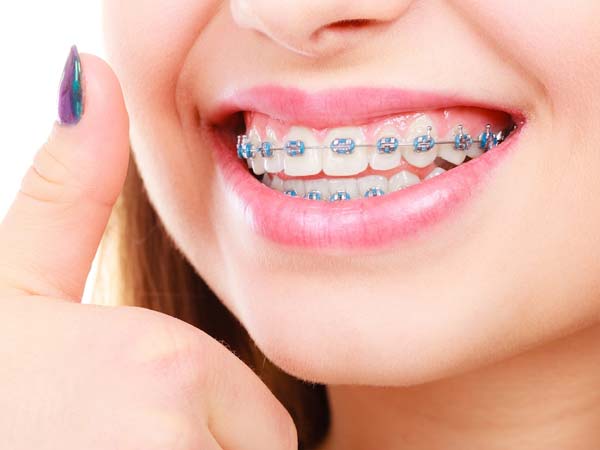
  • Lingual braces: Placed behind teeth

Your orthodontist will recommend the best option based on your needs and lifestyle.


Clear Aligners Explained

Clear aligners are removable, transparent trays that gradually move teeth into position.

Why people love clear aligners:

  • Nearly invisible

  • Comfortable to wear

  • Easy to remove while eating

  • Simple to maintain oral hygiene

They are especially popular among adults seeking a discreet solution from an experienced Orthodontist in Punjabi Bagh.


The Orthodontic Treatment Process

Orthodontic care is a step-by-step journey.

Typical process includes:

  1. Initial consultation

  2. Digital scans or impressions

  3. Customized treatment plan

  4. Regular follow-up visits

  5. Retainers after treatment

Patients are guided throughout, ensuring clarity and comfort at every stage.


How Long Does Treatment Take?

Treatment time varies from person to person.

On average:

  • Mild cases: 6–12 months

  • Moderate cases: 12–18 months

  • Complex cases: 18–24 months

Consistency and following instructions play a key role in timely results.


Life with Braces or Aligners

Adjusting to orthodontic appliances takes a little time, but most patients adapt quickly.

Helpful tips:

  • Eat softer foods initially

  • Avoid sticky snacks

  • Follow cleaning instructions

  • Attend regular appointments

Soon, braces or aligners become just another part of daily routine.


Oral Hygiene During Orthodontic Care

Maintaining cleanliness is crucial during orthodontic treatment.

Good habits include:

  • Brushing after meals

  • Using floss or interdental brushes

  • Rinsing as recommended

Proper hygiene prevents cavities and gum problems during treatment.


Benefits of Choosing the Right Orthodontist

The success of orthodontic treatment depends heavily on the orthodontist’s experience.

A skilled orthodontist ensures:

  • Accurate diagnosis

  • Customized planning

  • Comfortable treatment

  • Long-lasting results

This is why selecting the right Orthodontist in Punjabi Bagh matters.


Why Kukreja Dental & Implant Centre Stands Out

At Kukreja Dental & Implant Centre, orthodontic care is centered around people, not just teeth.

What makes the clinic a preferred choice:

  • Personalized treatment approach

  • Modern technology

  • Clear communication

  • Focus on comfort and results

Patients feel heard, supported, and confident throughout their journey.


Cost and Value of Orthodontic Treatment in Punjabi Bagh

The cost of orthodontic treatment depends on:

  • Type of appliance

  • Duration of treatment

  • Complexity of the case

While orthodontics is an investment, the long-term benefits to health and confidence make it worthwhile. Transparent guidance ensures patients understand the value they receive.


Conclusion

A well-aligned smile can change the way you feel about yourself. Whether you are a parent exploring options for your child or an adult considering treatment for yourself, choosing the right Orthodontist in Punjabi Bagh makes all the difference. At Kukreja Dental & Implant Centre, orthodontic care is designed to be effective, comfortable, and truly patient-focused. A confident smile may be closer than you think.


Frequently Asked Questions (FAQs)

1. Is orthodontic treatment painful?

Most patients experience mild discomfort initially, which settles as the mouth adjusts.

2. At what age should a child see an orthodontist?

An orthodontic evaluation is recommended by the age of seven.

3. Can adults get braces or aligners?

Yes, orthodontic treatment is effective at any age.

4. How often are orthodontic visits required?

Typically, visits are scheduled every 4–6 weeks.

5. Will I need to wear retainers after treatment?

Yes, retainers help maintain results and prevent teeth from shifting back.


If you are considering orthodontic care, consulting a trusted Orthodontist in Punjabi Bagh is the first step toward a healthier, more confident smile.

Oral Surgery

Oral Surgery: Restoring Oral Health and Function with Surgical Expertise

Oral surgery encompasses a range of procedures that address various conditions and concerns affecting the mouth, jaws, and facial structures. From tooth extraction and wisdom teeth removal to corrective jaw surgery and dental implant placement, oral surgery plays a crucial role in restoring oral health, relieving pain, and enhancing overall well-being. Let’s explore oral surgery in more detail and understand how it can help you maintain a healthy and functional smile.

Common Oral Surgery Procedures:

  1. Tooth Extraction: Tooth extraction is the removal of a severely damaged, decayed, or infected tooth. It is often performed when a tooth cannot be saved through other dental treatments, such as root canal therapy. Tooth extraction helps alleviate pain, prevent the spread of infection, and create space for orthodontic treatment or dental prosthetics.
  2. Wisdom Teeth Removal: Wisdom teeth, also known as third molars, often erupt in the late teens or early twenties. However, due to inadequate space in the jaw or improper eruption, wisdom teeth can cause various problems, including pain, infection, and damage to neighboring teeth. Wisdom teeth removal is a common oral surgery procedure to prevent these complications and maintain oral health.
  3. Dental Implant Placement: Dental implants are titanium posts that are surgically placed into the jawbone to replace missing teeth. The oral surgery procedure involves the precise placement of the implant in the jawbone, allowing for osseointegration (the fusion of the implant with the bone) to occur. Dental implants provide a durable and natural-looking solution for replacing missing teeth and restoring oral function.
  4. Corrective Jaw Surgery: Corrective jaw surgery, also known as orthognathic surgery, is performed to address irregularities in the jaws and facial structures. It can help correct issues such as malocclusion (misaligned bite), jaw misalignment, temporomandibular joint (TMJ) disorders, and facial asymmetry. Corrective jaw surgery aims to improve oral function, facial aesthetics, and overall oral health.
  5. Treatment of Oral Pathologies: Oral surgery also encompasses the diagnosis and treatment of various oral pathologies, including cysts, tumors, and infections. Surgical intervention may be necessary to remove these abnormalities and promote oral health.

The Oral Surgery Process:

  1. Consultation and Evaluation: During your initial consultation, the oral surgeon will review your medical and dental history, perform a comprehensive oral examination, and order any necessary diagnostic imaging, such as X-rays or CT scans. This evaluation will help determine the most appropriate treatment plan for your specific condition.
  2. Preparation and Planning: Once a treatment plan is established, the oral surgeon will discuss the procedure, address any concerns or questions you may have, and provide pre-operative instructions. They will also explain the anesthesia options available, such as local anesthesia, intravenous sedation, or general anesthesia, to ensure your comfort and safety during the surgery.
  3. Surgical Procedure: On the day of the surgery, the oral surgeon will administer the chosen anesthesia to ensure a pain-free experience. The procedure will be performed with precision and expertise, taking into account your unique oral health needs. The duration of the surgery will depend on the complexity of the procedure.
  4. Recovery and Post-operative Care: After the surgery, you will be given detailed post-operative instructions to promote healing and minimize discomfort. This may include pain management strategies, dietary restrictions, oral hygiene guidelines, and follow-up appointments to monitor your progress.

Benefits of Oral Surgery:

  1. Improved Oral Health: Oral surgery helps address oral conditions that may be causing pain, discomfort, or infection. By removing diseased or damaged teeth, treating oral pathologies, or correcting jaw irregularities, oral surgery restores oral health and function.
  2. Enhanced Aesthetics: Some oral surgery procedures, such as corrective jaw surgery or dental implant placement, can improve facial aesthetics and create a more harmonious facial profile. This can boost self-confidence and improve overall facial appearance.
  3. Relief from Discomfort: Oral surgery procedures can provide relief from chronic pain, discomfort, or functional limitations caused by dental conditions, jaw irregularities, or oral pathologies. This can significantly improve your quality of life and overall well-being.
  4. Long-lasting Results: Many oral surgery procedures offer long-lasting results, providing a durable solution for various oral health concerns. Dental implants, for example, can last a lifetime with proper care and maintenance.
  5. Comprehensive Treatment: Oral surgery is often an essential component of comprehensive dental treatment plans. By addressing underlying oral health issues, oral surgery sets the stage for successful restorative and cosmetic dental treatments.

Trust the Expertise of an Oral Surgeon:

Oral surgery requires specialized knowledge, skills, and experience. It is essential to seek treatment from a qualified oral surgeon who can provide comprehensive care and ensure your safety throughout the procedure. An experienced oral surgeon will work closely with you, addressing your concerns, and customizing a treatment plan to meet your specific needs.

Maintain Your Oral Health with Oral Surgery:

Oral surgery plays a vital role in maintaining oral health, restoring functionality, and improving aesthetics. Whether you require a tooth extraction, wisdom teeth removal, dental implant placement, corrective jaw surgery, or treatment for oral pathologies, consult with an experienced oral surgeon to explore your treatment options. Take the first step towards a healthy, functional, and beautiful smile by scheduling an oral surgery consultation today.

FAQs (Frequently Asked Questions)

  1. Is oral surgery painful? During oral surgery, you will be under the effect of anesthesia, ensuring that you do not experience any pain during the procedure. After the surgery, some discomfort or swelling may be present, but your oral surgeon will provide you with appropriate pain management instructions and medication.
  2. How long does it take to recover from oral surgery? The recovery period varies depending on the specific procedure and individual factors. It may take a few days to several weeks to recover fully. Your oral surgeon will provide you with post-operative instructions, including tips on managing pain, swelling, and promoting healing.
  3. Are there any risks associated with oral surgery? As with any surgical procedure, there are potential risks and complications associated with oral surgery. However, these risks are minimized by choosing a skilled and experienced oral surgeon, following pre- and post-operative instructions, and attending all recommended follow-up appointments.
  4. Will I be able to eat normally after oral surgery? Your ability to eat normally may be temporarily affected depending on the type of oral surgery you undergo. Your oral surgeon will provide specific dietary guidelines and recommendations to ensure a smooth recovery. In most cases, you will gradually be able to resume a normal diet as you heal.
  5. When should I consult an oral surgeon? You should consult an oral surgeon if you have dental conditions that require surgical intervention, such as impacted wisdom teeth, severe tooth decay, jaw irregularities, oral pathologies, or the need for dental implants. Your general dentist may refer you to an oral surgeon if necessary.
Root Canal Treatment in Paschim Vihar

Root Canals

Root Canal Treatment in Punjabi Bagh, paschim vihar

Root Canal Treatment in Punjabi Bagh, Paschim Vihar by Dr Abhishek Kukreja, BDS, MDS (Oral & Maxillofacial Surgeon) at Kukreja Dental & Implant Centre

Introduction

Have you ever experienced a sudden toothache that felt like a tiny alarm going off inside your mouth, refusing to stop? If yes, you’re not alone. Dental pain—especially the kind caused by deep infection—is something many people face, but few truly understand. That’s where Root Canal Treatment comes in. At Kukreja Dental & Implant Centre, Dr. Abhishek Kukreja, BDS, MDS (Oral & Maxillofacial Surgeon), offers modern, painless and highly successful Root Canal Treatment in Punjabi Bagh and Root Canal Treatment in Paschim Vihar to help you get back to comfort quickly.

Think of a root canal like repairing the foundation of a house. If the foundation is damaged, you don’t throw the whole house away—you fix the part that needs support. Similarly, instead of removing a damaged tooth, a root canal restores it from the inside, saving your natural smile.

In this comprehensive guide, we’ll walk through everything you need to know: symptoms, procedure, benefits, myths, recovery, and why thousands of patients in Punjabi Bagh and Paschim Vihar trust Dr. Abhishek for their dental care.

1. Understanding Root Canal Treatment

A root canal is a dental procedure used to treat infection inside a tooth. Deep inside each tooth is a soft tissue called the pulp, which contains nerves and blood vessels. When this pulp becomes infected due to decay, cracks, or injury, it can cause severe pain.

Instead of removing the tooth, the infected pulp is cleaned out, the inside is disinfected, and the tooth is sealed. This saves your natural tooth—which is always better than artificial replacements.


2. Why Do Teeth Need a Root Canal?

Teeth usually require a root canal when the inner pulp becomes infected. This can happen due to:

  • Untreated cavities

  • Deep fillings

  • Cracked or fractured teeth

  • Dental trauma

  • Repeated dental procedures

  • Gum infections spreading to roots

If the infection isn’t treated, it can lead to severe pain, swelling, and even tooth loss.


3. Common Symptoms That Shouldn’t Be Ignored

If you’re experiencing any of the symptoms below, a root canal may be necessary:

  • Persistent toothache

  • Sudden pain when chewing

  • Sensitivity to hot or cold

  • Swelling in gums

  • A pimple-like bump on gums

  • Tooth discoloration

  • Pain that worsens at night

These symptoms are especially common among patients seeking Root Canal Treatment in Punjabi Bagh and Root Canal Treatment in Paschim Vihar, as many visit the clinic only when the pain becomes unbearable.


4. How a Root Canal Saves Your Tooth

A root canal works by removing the infected pulp inside the tooth. Once cleaned and sealed, the tooth becomes pain-free and functional again.

Key Benefits

  • Eliminates pain

  • Prevents tooth extraction

  • Restores chewing ability

  • Protects nearby teeth from strain

  • Improves long-term dental health

Essentially, it’s like giving your tooth a fresh start.


5. Step-by-Step Root Canal Procedure

Here’s how Dr. Abhishek makes the treatment comfortable and smooth:

Step 1: Diagnosis

Digital X-rays help locate the infection accurately.

Step 2: Local Anesthesia

Your tooth and surrounding area are numbed for complete comfort.

Step 3: Cleaning the Canals

The infected pulp is removed, and the canals are cleaned thoroughly.

Step 4: Shaping & Disinfection

Special rotary instruments shape the canals for sealing.

Step 5: Filling the Canals

The cleaned canals are filled with a biocompatible material.

Step 6: Final Restoration

A crown is placed to protect and restore strength.

The entire procedure is painless, quick, and highly effective.


6. Single-Sitting vs Multiple-Sitting RCT

Many patients prefer single-sitting root canals for convenience.

Single-Sitting RCT

  • Fast

  • Effective

  • Ideal for early-stage infections

Multiple-Sitting RCT

  • Recommended for severe infections

  • Ensures proper healing

  • Ideal for complex cases

Dr. Abhishek decides the best approach after a detailed evaluation.


7. Are Root Canals Painful? The Truth

This is the most common question patients ask.

The truth?
Root canal treatment does NOT hurt.
It actually removes the pain caused by infection.

Modern anesthesia, advanced tools, and expert hands make the procedure smooth and comfortable.


8. Why Choose Dr Abhishek Kukreja?

Choosing the right specialist matters. Here’s why patients trust him:

✔ MDS-Certified Oral & Maxillofacial Surgeon

Highly skilled in complex dental procedures.

✔ Years of Experience in Endodontic Care

Handled hundreds of successful cases.

✔ Focus on Painless Dentistry

Your comfort is always the first priority.

✔ Patient-Friendly Approach

Simple explanations, honest suggestions, and complete transparency.

✔ Trusted by Families in Punjabi Bagh & Paschim Vihar

The clinic is a known name in the community.


9. Advanced Technology at Kukreja Dental & Implant Centre

To ensure success and comfort in every root canal:

  • Digital X-rays

  • Rotary endodontics

  • Apex locators

  • High-precision tools

  • Strict sterilization protocols

  • Laser-assisted procedures

Advanced technology means faster healing, better accuracy, and long-lasting results.


10. Benefits of Getting a Root Canal in Punjabi Bagh & Paschim Vihar

Choosing a nearby clinic has several advantages:

  • Easy accessibility

  • Convenient follow-ups

  • Trusted neighborhood dentist

  • Emergency care when needed

  • Comfortable environment for families

Patients appreciate the convenience of quality Root Canal Treatment in Punjabi Bagh and Root Canal Treatment in Paschim Vihar without traveling far.


11. What Happens After the Procedure?

Most patients feel immediate relief after the infection is removed.

You may notice:

  • Mild tenderness

  • Slight swelling

  • Sensitivity for a few days

These are normal and temporary.

A crown is usually placed after a week to strengthen the tooth.


12. How to Care for Your Tooth After RCT

Proper care ensures long-term success.

Do’s

  • Eat soft foods

  • Take prescribed medications

  • Maintain oral hygiene

  • Get the crown placed on time

Don’ts

  • Don’t chew hard foods immediately

  • Don’t skip follow-up visits

  • Don’t ignore any unusual pain

The better you care for your treated tooth, the longer it lasts.


13. Common Myths & Facts About Root Canals

Let’s clear a few misconceptions.

Myth: Root canals are painful.

Fact: The procedure is painless and relieves pain.

Myth: Extraction is better.

Fact: Saving natural teeth is always best.

Myth: Root canals don’t last long.

Fact: With proper care, they can last a lifetime.

Myth: Root canals cause illness.

Fact: This is a long-disproven myth.

Understanding the truth helps reduce fear.


14. When Should You Avoid Delaying Treatment?

Delaying treatment can lead to:

  • Severe infection

  • Abscess formation

  • Bone loss

  • Tooth extraction

If you’re experiencing symptoms—even mild discomfort—it’s wise to get checked by a specialist.


15. Final Thoughts

A root canal isn’t something to fear—it’s a procedure designed to save your tooth, relieve your pain, and restore your smile. Whether you’re experiencing symptoms or simply want to learn more, Kukreja Dental & Implant Centre is here to help.

If you’re looking for trusted Root Canal Treatment in Punjabi Bagh or Root Canal Treatment in Paschim Vihar, Dr Abhishek Kukreja ensures expert care backed by experience, technology, and compassion.

Your comfort is the priority—and your smile the reward.


FAQs

1. Is a root canal better than removing the tooth?

Yes. Saving natural teeth is always the best option for long-term oral health.

2. How long does a root canal procedure take?

Most cases take 30–60 minutes. Complex cases may require two visits.

3. Is the treatment painful?

No. Local anesthesia ensures a comfortable, pain-free experience.

4. How long does a root canal-treated tooth last?

With proper care and a crown, it can last many years—even a lifetime.

5. Can children undergo root canal treatment?

Yes, special pediatric root canal procedures are available when necessary.

Periodontics

Periodontics: Maintaining Healthy Gums for a Strong Foundation

Periodontics is a specialized branch of dentistry that focuses on the prevention, diagnosis, and treatment of diseases and conditions affecting the gums and supporting structures of the teeth. Healthy gums are essential for maintaining a strong foundation for your teeth, as they provide support and protection against harmful bacteria. Let’s explore the significance of periodontics and how it contributes to your overall oral health.

The Importance of Periodontics:

  1. Prevention and Early Detection: Periodontists play a crucial role in preventing gum diseases such as gingivitis and periodontitis. They emphasize the importance of regular dental check-ups and professional cleanings to remove plaque and tartar buildup. Early detection of gum problems allows for prompt treatment and prevents further progression of the disease.
  2. Treatment of Gum Diseases: Periodontists are experts in diagnosing and treating various gum diseases. They employ non-surgical and surgical techniques to eliminate infection, reduce inflammation, and restore gum health. These treatments may include scaling and root planing (deep cleaning), gum grafting, pocket reduction surgery, and guided tissue regeneration.
  3. Dental Implant Placement: Periodontists are extensively trained in the placement and maintenance of dental implants. They assess the suitability of dental implants as a replacement for missing teeth and perform the surgical procedures necessary for implant placement. Dental implants provide a stable and long-lasting solution for tooth replacement.
  4. Management of Complex Cases: Periodontists handle complex cases involving severe gum diseases or conditions that require specialized care. They collaborate with other dental specialists to develop comprehensive treatment plans and provide optimal care for patients with advanced periodontal issues.

Common Services Provided by Periodontists:

  1. Comprehensive Periodontal Evaluation: Periodontists conduct thorough examinations of the gums, teeth, and surrounding tissues to assess their health. They evaluate gum attachment levels, measure pocket depths, and assess bone density through X-rays to diagnose gum diseases accurately.
  2. Scaling and Root Planing: This non-surgical procedure involves removing plaque and tartar from above and below the gumline. It helps eliminate bacteria, reduce inflammation, and smooth the tooth roots to promote gum reattachment and prevent further progression of gum disease.
  3. Gum Grafting: In cases of gum recession, where the gum tissue has pulled away from the tooth roots, periodontists perform gum grafting procedures. This involves taking tissue from another area of the mouth or using synthetic materials to cover exposed tooth roots and restore a healthy gumline.
  4. Dental Implant Placement and Maintenance: Periodontists specialize in dental implant procedures, including implant placement, bone grafting, and implant restoration. They ensure proper integration of the implant with the jawbone and provide ongoing maintenance and care for long-term implant success.

Maintaining Healthy Gums:

In addition to professional periodontal care, maintaining healthy gums requires a consistent oral hygiene routine at home. This includes:

  • Brushing your teeth at least twice a day with a soft-bristled toothbrush and fluoride toothpaste.
  • Flossing daily to remove plaque and food particles from between the teeth and along the gumline.
  • Using an antimicrobial mouthwash to reduce bacterial growth and freshen breath.
  • Eating a balanced diet rich in fruits, vegetables, and whole grains while limiting sugary snacks and beverages.

Regular visits to a periodontist and practicing good oral hygiene habits are essential for preventing gum diseases, maintaining healthy gums, and preserving the longevity of your teeth.

FAQs (Frequently Asked Questions)

  1. What are the signs of gum disease? Common signs of gum disease include red, swollen, or tender gums, bleeding gums during brushing or flossing, persistent bad breath, receding gums, and loose or shifting teeth. If you notice any of these symptoms, it’s important to schedule an appointment with a periodontist for evaluation and treatment.
  2. Is gum disease reversible? Gingivitis, the early stage of gum disease, is reversible with proper dental care and regular professional cleanings. However, advanced periodontitis, characterized by significant gum and bone damage, is not reversible but can be managed to prevent further progression.
  3. How often should I visit a periodontist? The frequency of visits to a periodontist depends on your specific needs and the health of your gums. In general, individuals with a history of gum disease or other periodontal concerns may require more frequent visits, while those with healthy gums can schedule regular check-ups every six to twelve months.
  4. Does gum disease have any systemic health implications? Yes, gum disease has been linked to several systemic health conditions, including heart disease, diabetes, respiratory diseases, and complications during pregnancy. Maintaining healthy gums through periodontal care contributes to overall well-being and reduces the risk of developing these systemic health issues.
  5. Can I prevent gum disease at home? While professional periodontal care is crucial, practicing good oral hygiene habits at home is equally important. By brushing and flossing diligently, eating a balanced diet, and avoiding tobacco use, you can significantly reduce your risk of gum disease and maintain optimal oral health.

General Dentistry

General Dentistry: Comprehensive Oral Health Care for a Bright Smile

General dentistry plays a crucial role in maintaining your oral health and preserving your beautiful smile. It encompasses a wide range of dental services aimed at preventing, diagnosing, and treating common dental issues. From regular check-ups and cleanings to restorative treatments, general dentistry provides the foundation for a healthy mouth and a confident smile. Let’s explore the importance of general dentistry and the services it offers.

Importance of General Dentistry:

  1. Preventive Care: General dentistry focuses on preventing dental problems before they occur. Regular dental check-ups allow your dentist to detect early signs of decay, gum disease, and other oral health issues. With preventive measures such as professional cleanings, dental sealants, and fluoride treatments, general dentistry helps maintain optimal oral health.
  2. Early Diagnosis: Through routine examinations and diagnostic techniques like X-rays, general dentistry enables early detection of dental problems. Timely diagnosis allows for prompt treatment, preventing the progression of oral diseases and minimizing the need for extensive interventions.
  3. Treatment Planning: General dentistry involves comprehensive treatment planning based on your individual needs. Your dentist will develop a personalized treatment plan to address any existing dental issues, such as cavities, gum disease, or tooth loss, and restore your oral health.

Services Offered in General Dentistry:

  1. Dental Cleanings and Examinations: Regular dental cleanings and examinations are fundamental components of general dentistry. During these visits, your dentist will clean your teeth, remove plaque and tartar buildup, and examine your oral cavity for any signs of dental problems.
  2. Dental Fillings: If you have cavities, your dentist will utilize tooth-colored dental fillings to restore the affected teeth. These fillings blend seamlessly with your natural teeth, providing both functional and aesthetic benefits.
  3. Gum Disease Treatment: General dentistry addresses gum disease, a common oral health issue. Non-surgical treatments, such as scaling and root planing, are often recommended to remove plaque and tartar from below the gumline and promote gum tissue healing.
  4. Root Canal Therapy: When the inner pulp of a tooth becomes infected or damaged, root canal therapy can save the tooth from extraction. This procedure involves removing the infected pulp, cleaning the root canal, and sealing it to prevent reinfection.
  5. Tooth Extractions: In cases where a tooth is severely damaged, decayed, or causing overcrowding, your dentist may perform tooth extractions. They will ensure that the extraction procedure is comfortable and may recommend tooth replacement options if necessary.
  6. Dental Crowns and Bridges: Dental crowns are used to restore and protect damaged teeth, while dental bridges are utilized to replace missing teeth. These restorations provide both functional and aesthetic benefits, allowing you to regain a natural-looking and fully functioning smile.

Maintaining Your Oral Health:

In addition to receiving regular dental care, it is essential to maintain good oral hygiene practices at home. This includes brushing your teeth at least twice a day, flossing daily, and using mouthwash to control bacteria and freshen your breath. Your dentist will provide guidance on proper oral hygiene techniques and may recommend additional preventive measures, such as dental sealants or fluoride treatments, based on your individual needs.

Conclusion:

General dentistry is the foundation of excellent oral health. By prioritizing preventive care, early diagnosis, and comprehensive treatment planning, general dentistry aims to preserve your natural teeth, prevent dental issues, and ensure a bright and healthy smile. Regular visits to a general dentist are crucial for maintaining optimal oral health and enjoying the benefits of a confident and beautiful smile.

FAQs (Frequently Asked Questions)

  1. How often should I visit a general dentist? It is generally recommended to visit a general dentist every six months for routine dental cleanings and examinations. However, the frequency of visits may vary based on your oral health needs. Your dentist will provide personalized recommendations for your specific situation.
  2. Are dental X-rays safe? Dental X-rays are considered safe and involve minimal radiation exposure. Modern dental practices utilize digital X-rays, which further minimize radiation dosage. Dentists take necessary precautions to ensure patient safety during X-ray procedures.
  3. What should I do in a dental emergency? In the event of a dental emergency, such as severe tooth pain, a knocked-out tooth, or a broken tooth, it is important to seek immediate dental care. Contact your general dentist or an emergency dental clinic to receive prompt treatment.
  4. Can general dentists provide cosmetic dental treatments? Yes, many general dentists offer cosmetic dental treatments such as teeth whitening, dental veneers, and composite bonding. However, the extent of cosmetic services may vary among practitioners. It’s best to consult with your general dentist to discuss your cosmetic dental needs.
  5. Does dental insurance cover general dentistry services? Dental insurance often covers a portion of general dentistry services, including dental cleanings, examinations, and fillings. However, the coverage can vary depending on your insurance plan. It’s recommended to check with your insurance provider or dental office for specific coverage details.