

Root Canal Treatment in Punjabi Bagh, Paschim Vihar by Dr Abhishek Kukreja, BDS, MDS (Oral & Maxillofacial Surgeon) at Kukreja Dental & Implant Centre
Introduction
Have you ever experienced a sudden toothache that felt like a tiny alarm going off inside your mouth, refusing to stop? If yes, you’re not alone. Dental pain—especially the kind caused by deep infection—is something many people face, but few truly understand. That’s where Root Canal Treatment comes in. At Kukreja Dental & Implant Centre, Dr. Abhishek Kukreja, BDS, MDS (Oral & Maxillofacial Surgeon), offers modern, painless and highly successful Root Canal Treatment in Punjabi Bagh and Root Canal Treatment in Paschim Vihar to help you get back to comfort quickly.
Think of a root canal like repairing the foundation of a house. If the foundation is damaged, you don’t throw the whole house away—you fix the part that needs support. Similarly, instead of removing a damaged tooth, a root canal restores it from the inside, saving your natural smile.
In this comprehensive guide, we’ll walk through everything you need to know: symptoms, procedure, benefits, myths, recovery, and why thousands of patients in Punjabi Bagh and Paschim Vihar trust Dr. Abhishek for their dental care.
1. Understanding Root Canal Treatment
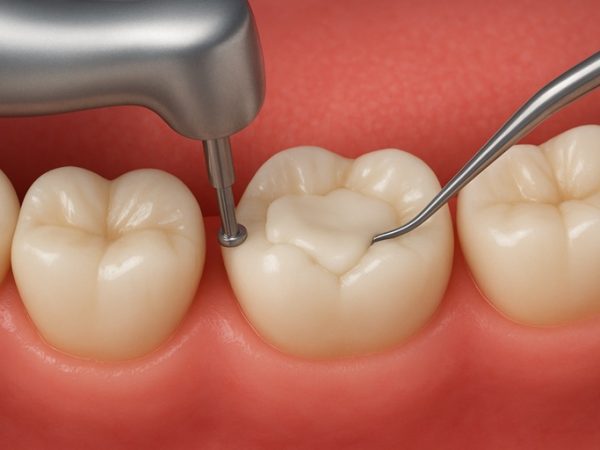
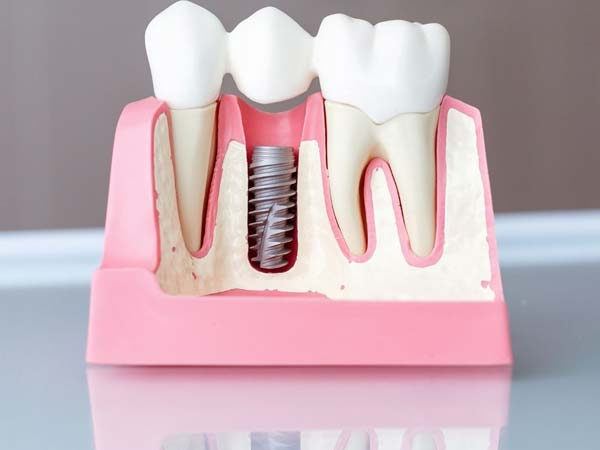
A root canal is a dental procedure used to treat infection inside a tooth. Deep inside each tooth is a soft tissue called the pulp, which contains nerves and blood vessels. When this pulp becomes infected due to decay, cracks, or injury, it can cause severe pain.
Instead of removing the tooth, the infected pulp is cleaned out, the inside is disinfected, and the tooth is sealed. This saves your natural tooth—which is always better than artificial replacements.
2. Why Do Teeth Need a Root Canal?
Teeth usually require a root canal when the inner pulp becomes infected. This can happen due to:
-
Untreated cavities
-
Deep fillings
-
Cracked or fractured teeth
-
Dental trauma
-
Repeated dental procedures
-
Gum infections spreading to roots
If the infection isn’t treated, it can lead to severe pain, swelling, and even tooth loss.
3. Common Symptoms That Shouldn’t Be Ignored
If you’re experiencing any of the symptoms below, a root canal may be necessary:
-
Persistent toothache
-
Sudden pain when chewing
-
Sensitivity to hot or cold
-
Swelling in gums
-
A pimple-like bump on gums
-
Tooth discoloration
-
Pain that worsens at night
These symptoms are especially common among patients seeking Root Canal Treatment in Punjabi Bagh and Root Canal Treatment in Paschim Vihar, as many visit the clinic only when the pain becomes unbearable.
4. How a Root Canal Saves Your Tooth
A root canal works by removing the infected pulp inside the tooth. Once cleaned and sealed, the tooth becomes pain-free and functional again.
Key Benefits
-
Eliminates pain
-
Prevents tooth extraction
-
Restores chewing ability
-
Protects nearby teeth from strain
-
Improves long-term dental health
Essentially, it’s like giving your tooth a fresh start.
5. Step-by-Step Root Canal Procedure
Here’s how Dr. Abhishek makes the treatment comfortable and smooth:
Step 1: Diagnosis
Digital X-rays help locate the infection accurately.
Step 2: Local Anesthesia
Your tooth and surrounding area are numbed for complete comfort.
Step 3: Cleaning the Canals
The infected pulp is removed, and the canals are cleaned thoroughly.
Step 4: Shaping & Disinfection
Special rotary instruments shape the canals for sealing.
Step 5: Filling the Canals
The cleaned canals are filled with a biocompatible material.
Step 6: Final Restoration
A crown is placed to protect and restore strength.
The entire procedure is painless, quick, and highly effective.
6. Single-Sitting vs Multiple-Sitting RCT
Many patients prefer single-sitting root canals for convenience.
Single-Sitting RCT
-
Fast
-
Effective
-
Ideal for early-stage infections
Multiple-Sitting RCT
-
Recommended for severe infections
-
Ensures proper healing
-
Ideal for complex cases
Dr. Abhishek decides the best approach after a detailed evaluation.
7. Are Root Canals Painful? The Truth
This is the most common question patients ask.
The truth?
Root canal treatment does NOT hurt.
It actually removes the pain caused by infection.
Modern anesthesia, advanced tools, and expert hands make the procedure smooth and comfortable.
8. Why Choose Dr Abhishek Kukreja?
Choosing the right specialist matters. Here’s why patients trust him:
✔ MDS-Certified Oral & Maxillofacial Surgeon
Highly skilled in complex dental procedures.
✔ Years of Experience in Endodontic Care
Handled hundreds of successful cases.
✔ Focus on Painless Dentistry
Your comfort is always the first priority.
✔ Patient-Friendly Approach
Simple explanations, honest suggestions, and complete transparency.
✔ Trusted by Families in Punjabi Bagh & Paschim Vihar
The clinic is a known name in the community.
9. Advanced Technology at Kukreja Dental & Implant Centre
To ensure success and comfort in every root canal:
-
Digital X-rays
-
Rotary endodontics
-
Apex locators
-
High-precision tools
-
Strict sterilization protocols
-
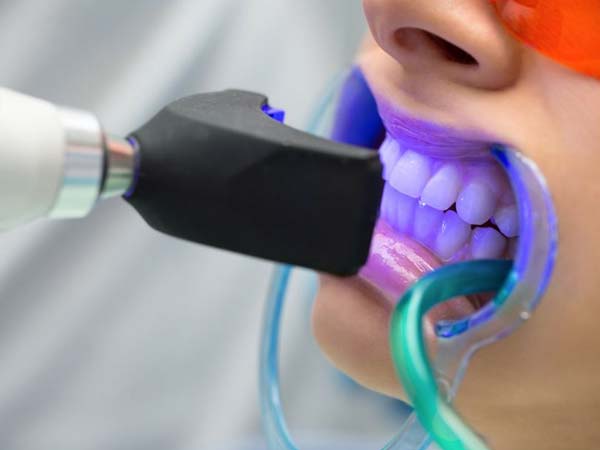
Laser-assisted procedures
Advanced technology means faster healing, better accuracy, and long-lasting results.
10. Benefits of Getting a Root Canal in Punjabi Bagh & Paschim Vihar
Choosing a nearby clinic has several advantages:
-
Easy accessibility
-
Convenient follow-ups
-
Trusted neighborhood dentist
-
Emergency care when needed
-
Comfortable environment for families
Patients appreciate the convenience of quality Root Canal Treatment in Punjabi Bagh and Root Canal Treatment in Paschim Vihar without traveling far.
11. What Happens After the Procedure?
Most patients feel immediate relief after the infection is removed.
You may notice:
-
Mild tenderness
-
Slight swelling
-
Sensitivity for a few days
These are normal and temporary.
A crown is usually placed after a week to strengthen the tooth.
12. How to Care for Your Tooth After RCT
Proper care ensures long-term success.
Do’s
-
Eat soft foods
-
Take prescribed medications
-
Maintain oral hygiene
-
Get the crown placed on time
Don’ts
-
Don’t chew hard foods immediately
-
Don’t skip follow-up visits
-
Don’t ignore any unusual pain
The better you care for your treated tooth, the longer it lasts.
13. Common Myths & Facts About Root Canals
Let’s clear a few misconceptions.
Myth: Root canals are painful.
Fact: The procedure is painless and relieves pain.
Myth: Extraction is better.
Fact: Saving natural teeth is always best.
Myth: Root canals don’t last long.
Fact: With proper care, they can last a lifetime.
Myth: Root canals cause illness.
Fact: This is a long-disproven myth.
Understanding the truth helps reduce fear.
14. When Should You Avoid Delaying Treatment?
Delaying treatment can lead to:
-
Severe infection
-
Abscess formation
-
Bone loss
-
Tooth extraction
If you’re experiencing symptoms—even mild discomfort—it’s wise to get checked by a specialist.
15. Final Thoughts
A root canal isn’t something to fear—it’s a procedure designed to save your tooth, relieve your pain, and restore your smile. Whether you’re experiencing symptoms or simply want to learn more, Kukreja Dental & Implant Centre is here to help.
If you’re looking for trusted Root Canal Treatment in Punjabi Bagh or Root Canal Treatment in Paschim Vihar, Dr Abhishek Kukreja ensures expert care backed by experience, technology, and compassion.
Your comfort is the priority—and your smile the reward.
FAQs
1. Is a root canal better than removing the tooth?
Yes. Saving natural teeth is always the best option for long-term oral health.
2. How long does a root canal procedure take?
Most cases take 30–60 minutes. Complex cases may require two visits.
3. Is the treatment painful?
No. Local anesthesia ensures a comfortable, pain-free experience.
4. How long does a root canal-treated tooth last?
With proper care and a crown, it can last many years—even a lifetime.
5. Can children undergo root canal treatment?
Yes, special pediatric root canal procedures are available when necessary.